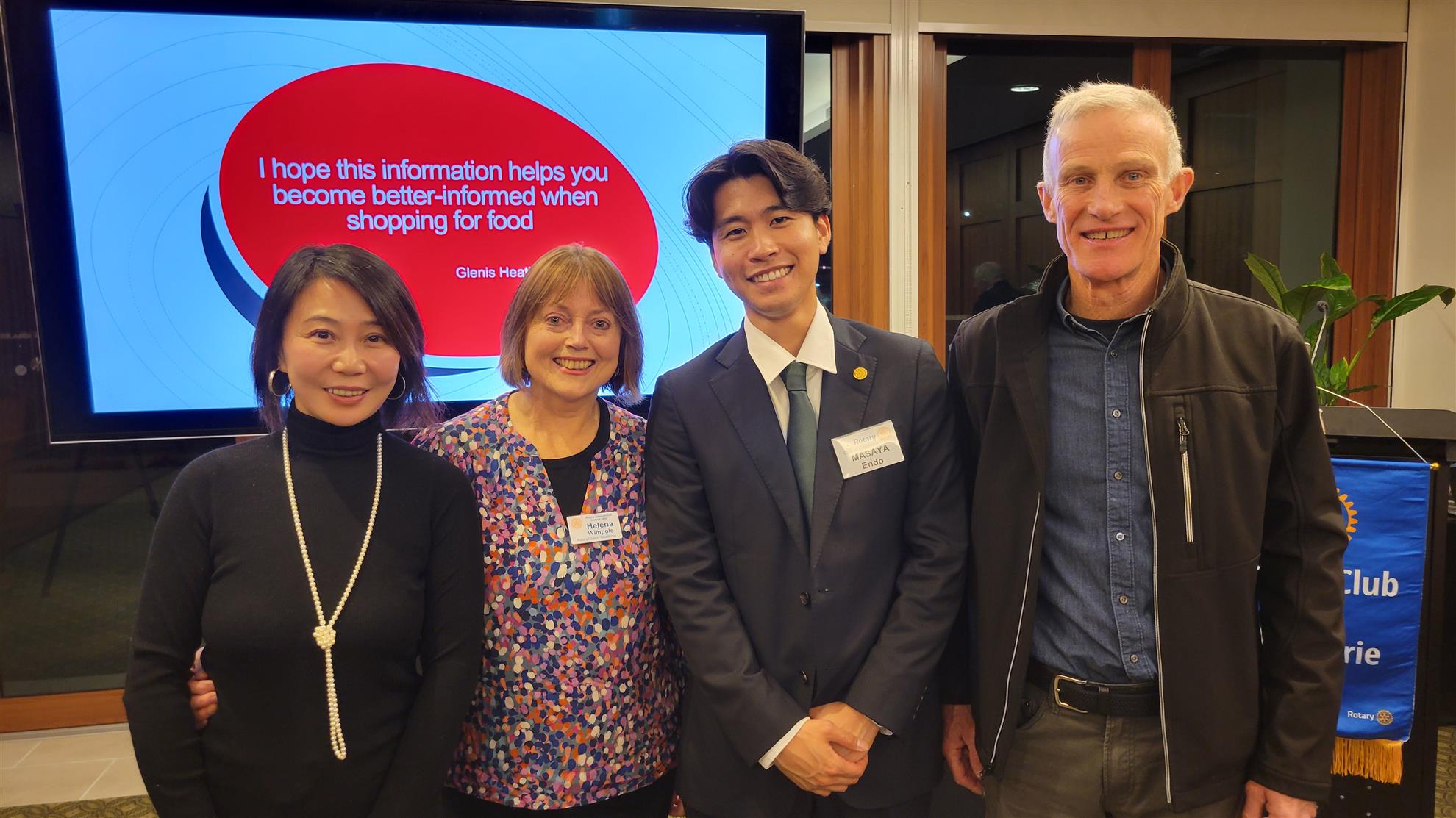
Attendance: 32 | Members: 20 (of 47 Active Members) 43%
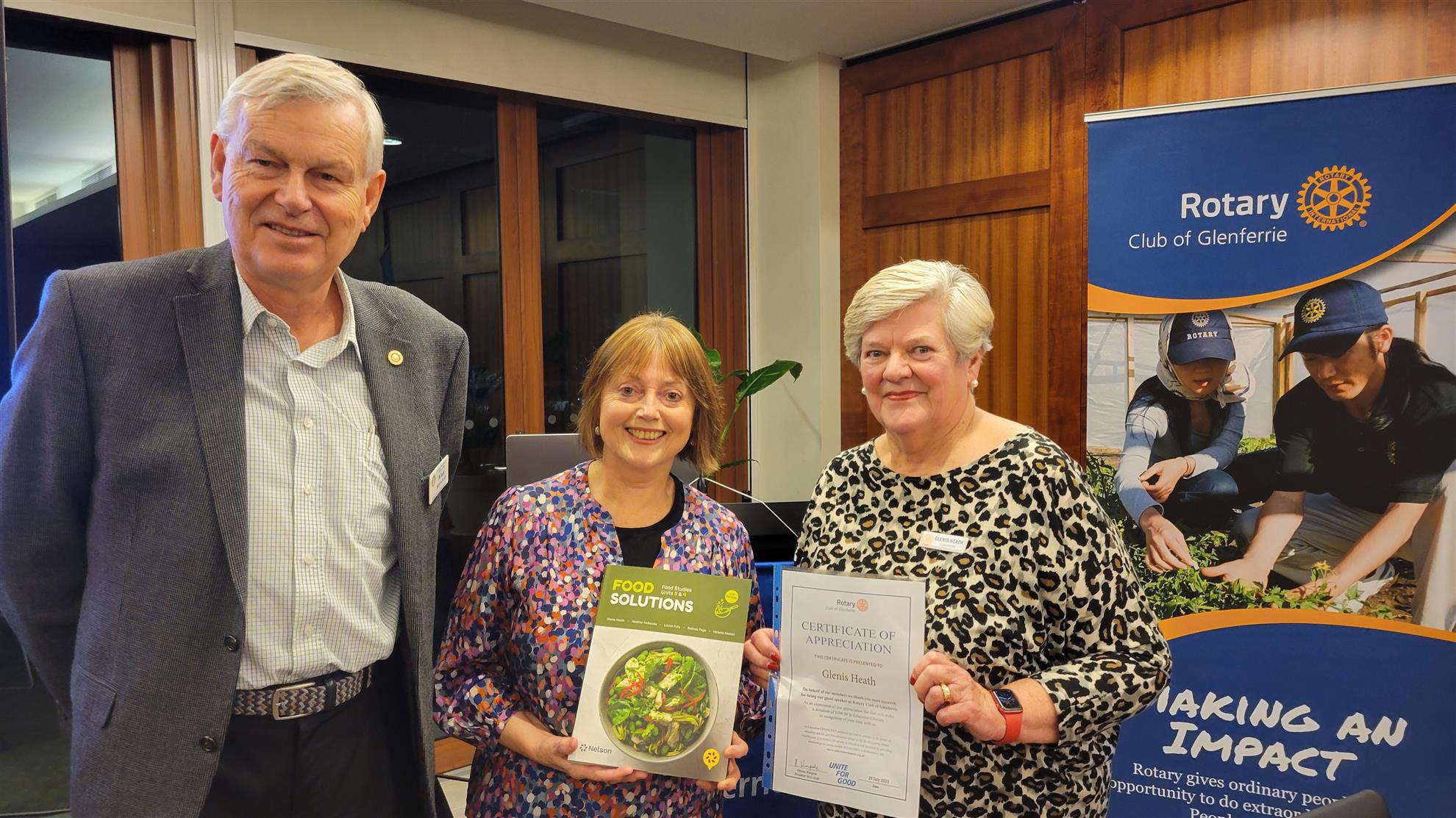
We were privileged to have Glenis Heath present some important and topical issues within the field of Food Science. Glenis is an esteemed educator in Home Economics and Food Science who has co-authored almost 25 books during the past 21-22years. These publications have been widely used as text books for Food Science students up to year 12 level.
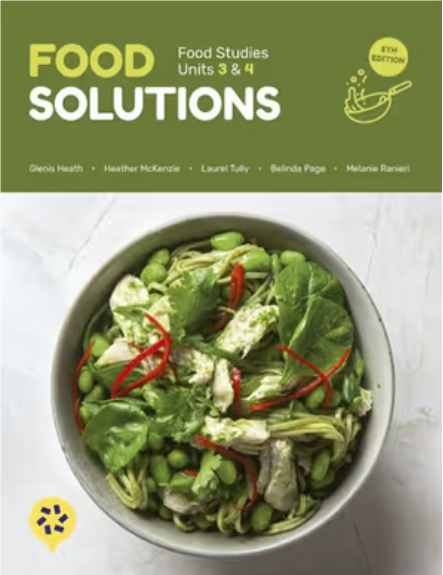
Some of the latest books were on display detailing extensive nutritional data, along with practical information regarding meal preparation.
 After providing an outline of the Food Science course for secondary school students, Glenis emphasised the importance of Food Standarda Australia New Zealand (FSANZ). This bi-national food regulation body has set standards for safe food in Australia for more than twenty-five years. FSANZ monitors food safety and sets labelling requirements including nutritional information, as well as warnings and advisory labels. For example the addition of folate to cereal is mandated to minimize the risk of neural tube defects in newborn children. The organisation also oversees the recall of harmful or dangeroes items.
Glenis highlighted the potential difficulties in the interpretation of food labels, particularly food additives and sweeteners. There are many forms of sugars which may be inappropriately grouped under one single entity. Smart food labels are now appearing that require a phone to access a QR code for more information. There is now an app to check food additives and another for food switching or substitution. The development of ‘Augmented Relaity’ to connect the consumer to the food source has appeared. For example the sounds and sights from a dairy farm or a vegetable grower might be accessed via a QR code.
Green washing and Health washing have made their appearance in food distribution. Be aware that the use of words such as natural, lite, organic, biodegradable and environmentally sustainable may be misleading. Some allegedly healthy products for children, such as Kiddylicious Banana Crispy Tiddlers contain 59g per 100g.
In summary the talk by Glenis stressed the importance of fresh unprocessed food together with a healthy degree of skepticism when reading food labels. There were many questions and further discussion by the very appreciative audience.